
Modern organizations face increasing complexity in managing operations, customers, finances, and teams. As businesses grow, spreadsheets and disconnected software tools become barriers rather than solutions. Companies now need a unified platform that can bring clarity, automation, and scalability into everyday workflows. This is where the Odoo ERP System has become a game-changer for businesses seeking efficiency without rigidity.
Designed to serve companies of all sizes, Odoo delivers a centralized environment where departments collaborate seamlessly. Its flexible architecture and user-focused design make it a strong contender in the global ERP landscape.
Understanding the Odoo ERP System
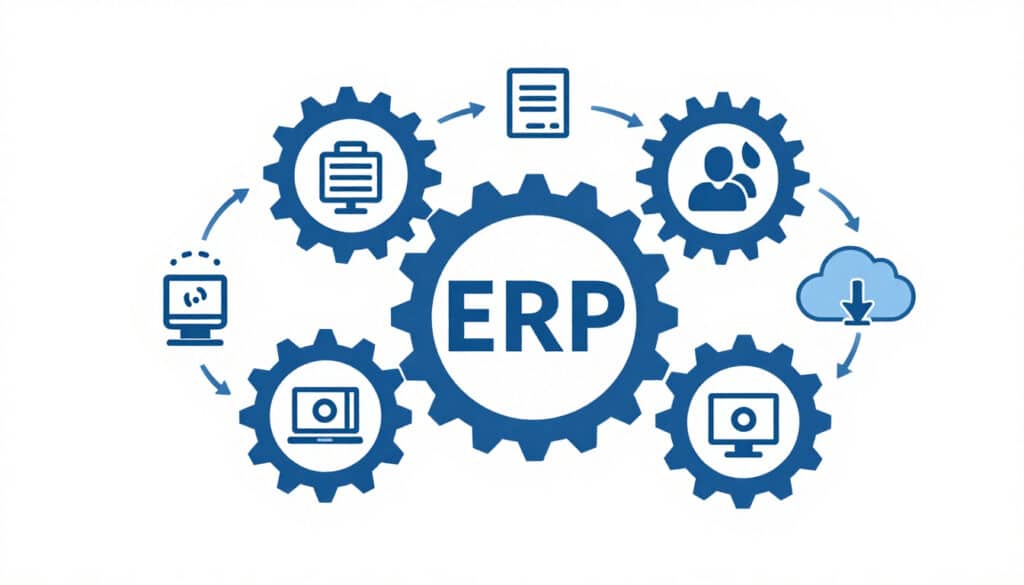
The Odoo ERP System is a comprehensive business management platform that integrates multiple operational functions into one connected framework. Instead of managing separate systems for sales, accounting, inventory, and human resources, Odoo allows organizations to control everything from a single interface.
Built on an open-source foundation, Odoo encourages innovation and adaptability. Businesses can deploy only the applications they need and expand functionality as operations evolve, ensuring long-term usability and return on investment.
How Businesses Operate More Efficiently with Odoo
Operational efficiency depends heavily on data accuracy and process alignment. The Odoo ERP System ensures that information flows smoothly across departments, eliminating duplication and reducing the risk of errors caused by manual handling.
When a sales order is confirmed, inventory levels update automatically, invoices are generated, and accounting records stay synchronized. This level of integration improves transparency and allows managers to make informed decisions based on real-time data rather than outdated reports.
Workflow Automation in the Odoo ERP System
Automation is a core strength of the Odoo ERP System, enabling businesses to reduce repetitive tasks and human dependency. Processes such as billing cycles, purchase approvals, payroll calculations, and customer follow-ups can be automated with minimal configuration.
By streamlining workflows, employees can focus on strategic initiatives rather than administrative work. Automation also ensures consistency across operations, which is especially valuable for companies managing high transaction volumes or multi-location setups.
Key Advantages of Using Odoo for Business Growth
Growth requires systems that adapt rather than restrict. The Odoo ERP System supports business expansion by offering scalability without complexity. Whether a company adds new departments, enters new markets, or increases transaction volume, the platform adjusts smoothly to new demands.
Another major advantage is visibility. With centralized dashboards and customizable reports, leadership teams gain insight into performance metrics across all departments, supporting faster and more confident decision-making.
Cost Control and Flexibility with the Odoo ERP System
The Odoo ERP System is widely known for its flexible pricing and modular structure. Organizations are not forced to invest in unnecessary features, allowing them to manage budgets more effectively while still benefiting from enterprise-grade functionality.
Customization further enhances cost control. Companies can tailor workflows and interfaces to match existing processes rather than redesigning operations to fit the software. This flexibility minimizes disruption during implementation and ensures better adoption by teams.
Core Modules That Power Business Operations
One of the strengths of the Odoo ERP System lies in its extensive range of integrated modules. Each module is designed to function independently while remaining fully connected to the broader system.
Key modules include finance and accounting, sales management, customer relationship management, inventory control, manufacturing, human resources, project tracking, and digital marketing. This modular ecosystem allows businesses to build a solution that fits their exact operational needs.
Custom Development in the Odoo ERP System
Customization plays a critical role in maximizing value from the Odoo ERP System. Companies can develop custom modules, modify existing features, or integrate third-party applications to extend functionality.
This capability is especially valuable for industry-specific requirements where off-the-shelf software may fall short. With the right development approach, Odoo becomes a tailored solution that aligns precisely with business goals and workflows.
Why Odoo Appeals to Businesses Worldwide
The Odoo ERP System has earned global recognition due to its balance between simplicity and power. Unlike traditional ERP platforms that are often complex and expensive, Odoo offers a user-friendly experience without compromising functionality.
Its modern interface reduces training time, while regular updates ensure continuous improvement. Combined with strong community and professional support, Odoo provides businesses with confidence and long-term reliability.
Long-Term Digital Transformation with Odoo
As organizations move toward digital-first strategies, the Odoo ERP System supports long-term transformation rather than short-term fixes. Cloud compatibility, mobile access, and continuous innovation allow businesses to stay agile in rapidly changing markets.
By centralizing operations and enabling data-driven strategies, Odoo helps organizations build a foundation that supports innovation, resilience, and sustainable growth well into the future.
Implementation Strategy for Successful ERP Adoption
Implementing an ERP platform is not just a technical project; it is a strategic transformation initiative. Businesses that approach ERP adoption with clear objectives and structured planning tend to achieve better outcomes. A well-defined implementation roadmap helps minimize disruption while ensuring that the system aligns with organizational goals.
The first step is requirement analysis. Organizations should document current processes, identify inefficiencies, and define what success looks like after implementation. This clarity allows stakeholders to configure the system in a way that genuinely improves operations rather than simply digitizing outdated workflows.
Change Management and User Adoption
One of the most common challenges in ERP implementation is resistance to change. Employees often feel uncertain when new systems replace familiar tools. Successful companies address this by involving users early in the process and communicating the benefits clearly.
Training plays a crucial role in adoption. Hands-on sessions, role-based learning, and real-life use cases help employees gain confidence. When users understand how the system makes their work easier, adoption becomes faster and more sustainable.
Data Migration and Accuracy
Data migration is a critical phase that directly impacts system reliability. Moving data from legacy systems, spreadsheets, or disconnected tools requires careful validation and cleaning. Inaccurate or incomplete data can lead to reporting errors and operational issues post-launch.
Organizations should prioritize data accuracy over speed. Conducting multiple test migrations and validating results ensures that historical records, financial data, and customer information remain intact. Clean data also enhances reporting quality and long-term system performance.
Role of ERP in Financial Management
ERP platforms play a central role in modern financial management by providing real-time visibility into cash flow, expenses, and profitability. Automated accounting processes reduce manual reconciliation and help finance teams close books faster.
Integrated financial data supports compliance, audit readiness, and tax reporting. Leaders can access up-to-date financial insights that enable better budgeting, forecasting, and strategic planning across departments.
Enhancing Sales and Customer Relationships
Sales and customer management are significantly improved through integrated ERP solutions. Centralized customer data allows sales teams to track interactions, quotations, and order history in one place. This visibility improves customer engagement and shortens sales cycles.
Customer service teams also benefit from quick access to order status, invoices, and communication history. Faster response times and personalized service contribute directly to improved customer satisfaction and loyalty.
Inventory and Supply Chain Optimization
Efficient inventory management is essential for controlling costs and meeting customer demand. ERP systems provide accurate stock visibility across warehouses and locations, reducing overstocking and stockouts.
Automated replenishment rules and demand forecasting help businesses maintain optimal inventory levels. Integration with purchasing and logistics ensures that supply chain operations remain synchronized and responsive to market changes.
Manufacturing and Production Control
For manufacturing businesses, ERP solutions enable precise production planning and resource utilization. Bills of materials, work orders, and production schedules can be managed centrally, improving coordination between departments.
Real-time tracking of production status allows managers to identify bottlenecks early and adjust schedules accordingly. This leads to reduced downtime, better quality control, and improved delivery performance.
Human Resource Management and Workforce Planning
Human resource operations benefit greatly from ERP integration. Employee records, attendance, payroll, and performance evaluations can be managed through a single platform. This reduces administrative workload and ensures data consistency.
Workforce analytics support better hiring decisions and capacity planning. Managers can align workforce availability with business needs while maintaining compliance with labor regulations.
ERP and Business Intelligence
Data-driven decision-making is a major advantage of modern ERP platforms. Built-in analytics and reporting tools transform raw data into actionable insights. Executives can monitor key performance indicators across departments in real time.
Custom dashboards allow different teams to focus on metrics relevant to their roles. This transparency promotes accountability and encourages continuous improvement throughout the organization.
Security and Access Control
Security is a critical consideration when managing sensitive business data. ERP systems offer role-based access control, ensuring that employees only see information relevant to their responsibilities.
Audit logs and activity tracking improve accountability and support compliance requirements. Regular updates and security enhancements help protect data against evolving cyber threats.
Cloud vs On-Premise Deployment
Businesses today can choose between cloud-based and on-premise ERP deployments. Cloud deployment offers flexibility, remote access, and reduced infrastructure costs. It is especially attractive for organizations with distributed teams or rapid growth plans.
On-premise deployment, on the other hand, provides greater control over data and customization. The choice depends on regulatory requirements, internal IT capabilities, and long-term business strategy.
Supporting Business Scalability
Scalability is one of the most valuable aspects of ERP systems. As businesses expand, they can add users, departments, and functionalities without disrupting existing operations.
This adaptability ensures that the ERP platform remains relevant as organizational needs evolve. Businesses avoid the costly cycle of replacing systems every few years, making ERP a long-term investment.
Measuring ERP Success
Measuring success after implementation is essential to ensure objectives are met. Key performance indicators such as operational efficiency, cost reduction, order fulfillment time, and customer satisfaction provide valuable insights.
Regular system reviews and user feedback help identify opportunities for optimization. Continuous improvement ensures that the ERP platform continues to deliver value well beyond the initial launch.
Mohi Solutions is a leading provider of innovative business technology solutions, helping organizations streamline their operations and drive growth. By leveraging the Odoo ERP System, Mohi Solutions enables businesses to integrate finance, sales, inventory, and operations on a single platform. Their expertise ensures seamless Odoo ERP implementation, tailored to meet unique business requirements. With Mohi Solutions, companies can automate processes, improve efficiency, and gain real-time insights for smarter decision-making. Together, Mohi Solutions and Odoo ERP empower businesses to achieve operational excellence and scalable growth.
Conclusion: Building a Strong Digital Foundation
odoo ERP systems are no longer optional tools reserved for large enterprises. They are essential platforms that support efficiency, visibility, and growth in competitive markets. When implemented strategically, an ERP solution becomes the backbone of digital operations.
By aligning technology with business processes, organizations can unlock productivity, improve decision-making, and position themselves for long-term success in an increasingly digital world.